Introduction: Bringing Energy Storage to Everyday Homes
Balcony energy storage systems are making solar energy more accessible to apartment residents and households with limited space. By storing excess solar power generated during the day and using it when electricity prices are higher, these systems help improve self-consumption and reduce electricity bills.
The market has grown in response to rising energy costs, declining battery prices, and advances in integrated energy management technology. Lithium iron phosphate (LFP) batteries, compact bidirectional inverters, and intelligent energy management systems have made residential storage more practical and user-friendly.
As demand expands, manufacturers are competing across battery technology, system integration, product safety, and international market access.
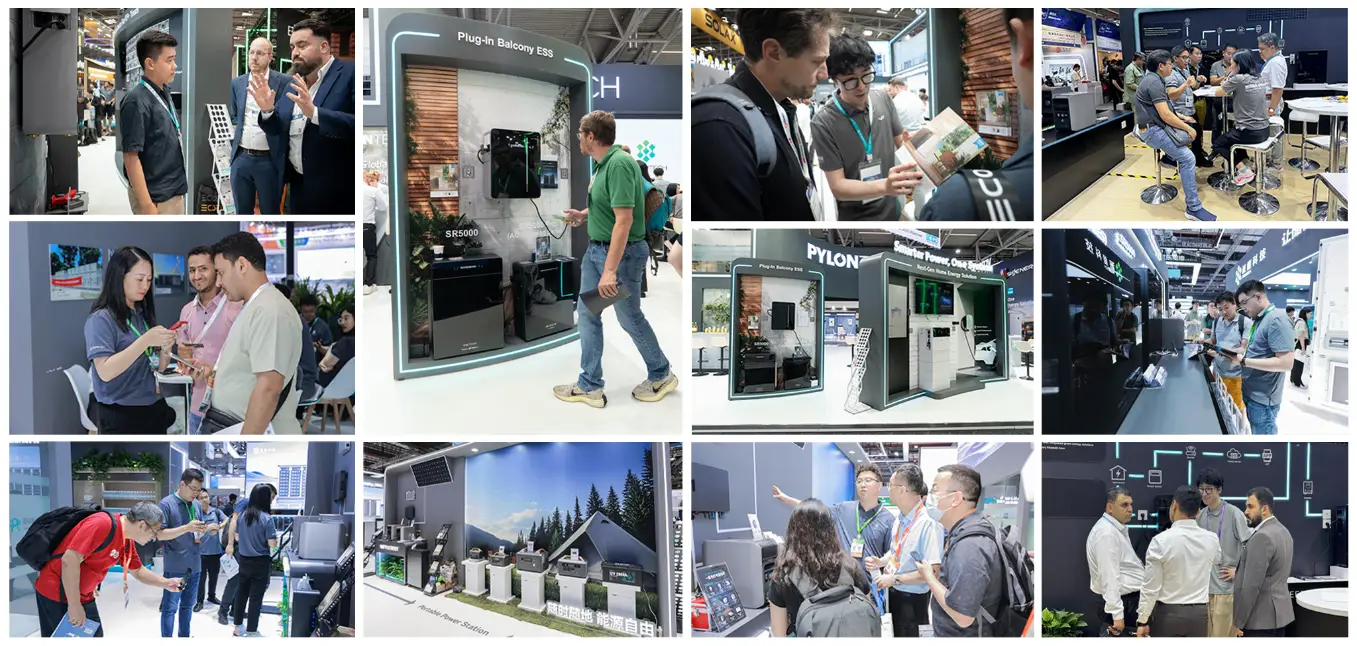
Europe: The Leading Market for Balcony Energy Storage
Market Drivers
Europe is a key market for balcony energy storage, driven by the gap between electricity purchase prices and solar feed-in tariffs. Households may receive relatively low compensation for surplus solar power while paying significantly more for electricity consumed in the evening.
For apartment residents, conventional home storage systems can be difficult to install because of limited space, rental restrictions, and electrical installation requirements. Compact, easy-to-install systems offer an alternative.
Technology and Regulation
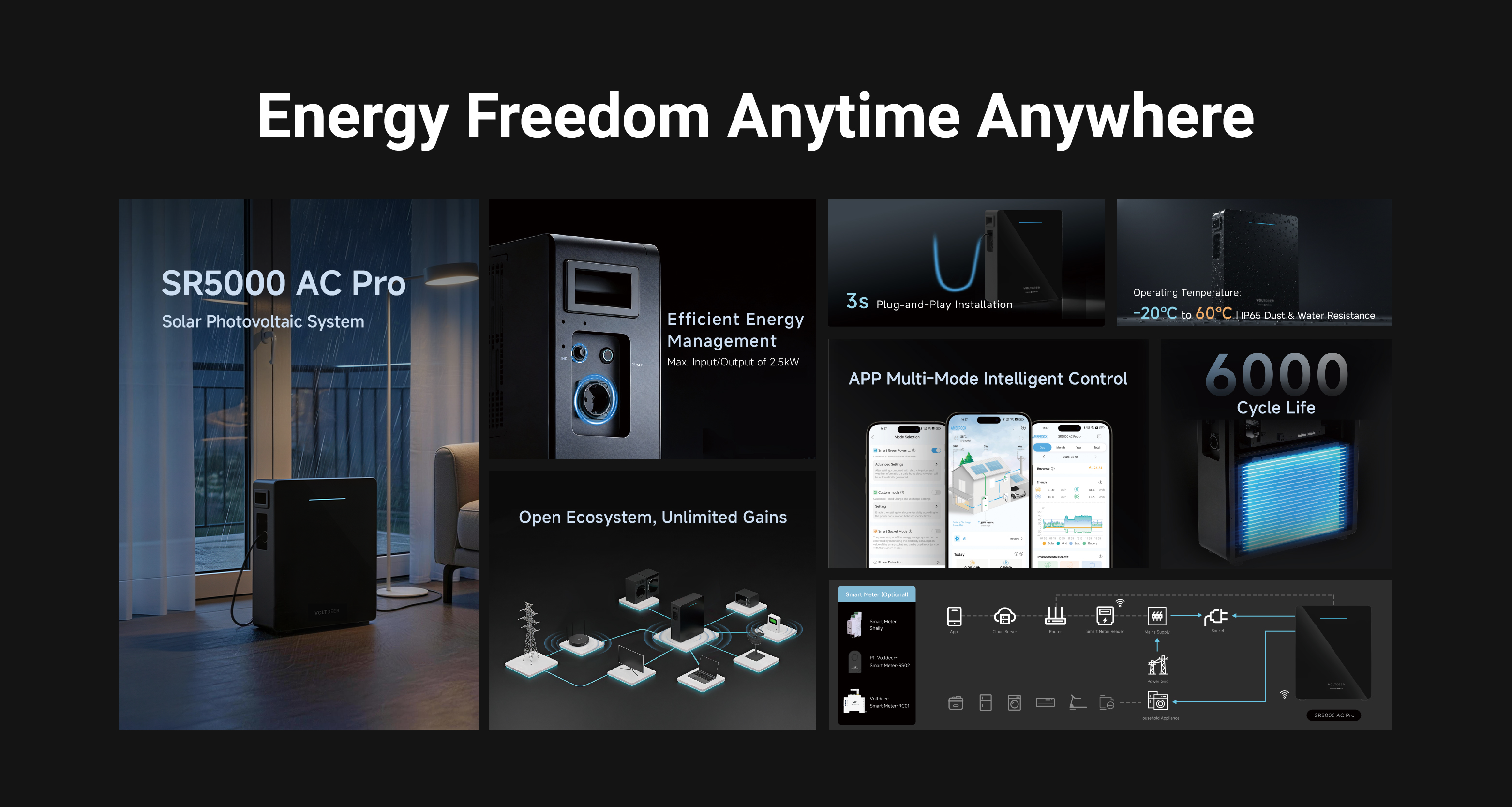
Modern balcony storage systems integrate batteries, inverters, and solar charge controllers into compact units. Depending on the model, they may support plug-and-play installation, multiple operating modes, remote monitoring, and integration with home energy management systems.
Outdoor protection, operating temperature range, noise levels, and battery safety are important selection criteria. Compliance with applicable national grid-connection requirements and product safety standards is also essential.
In Germany and other European markets, simplified registration procedures for small-scale balcony solar installations have helped support adoption. However, installation and grid-connection requirements vary by country, so users should verify local regulations before purchasing.
Economics and Return on Investment
The financial benefits of balcony storage depend on system cost, electricity prices, solar generation, household consumption patterns, and the proportion of stored energy that can be used effectively.
A larger battery does not automatically deliver a faster payback. Buyers should compare the total installed cost with realistic annual savings, including any additional costs for metering, installation, and electricity management.
Global Market Expansion
Beyond Europe, balcony and residential energy storage markets are developing according to local electricity systems, regulations, and consumer needs.
Asia-Pacific: Japan places strong emphasis on regulatory compliance, while markets with less reliable electricity infrastructure may prioritize backup power and off-grid applications.
North America: Safety certification, output capacity, and compatibility with household electrical systems are important considerations.
Latin America: Strong solar resources and grid reliability challenges create opportunities for solar-plus-storage and off-grid solutions.
Australia: High residential solar adoption and virtual power plant (VPP) initiatives are increasing interest in smart energy management and grid integration.
Across these markets, manufacturers must adapt their products to local certification requirements, environmental conditions, and consumer expectations. Battery safety, intelligent energy management, and reliable after-sales service are becoming increasingly important competitive factors.
Competitive Landscape and VOLTDEER
The balcony energy storage market includes four broad categories of companies:
Portable power station brands, which focus on outdoor activities and emergency backup.
Solar equipment manufacturers, which extend their product portfolios from photovoltaic panels to storage solutions.
Inverter and power electronics specialists, which focus on conversion efficiency and grid integration.
Battery technology and integrated system providers, which combine battery expertise with energy storage system development.
Each category has different strengths in product design, distribution, and technical integration.
VOLTDEER: An Integrated Energy Storage Approach
Shanghai Wendian New Energy Technology Co., Ltd., operating under the VOLTDEER brand, focuses on balcony energy storage, portable power stations, 12V off-grid batteries, and complementary solar products.
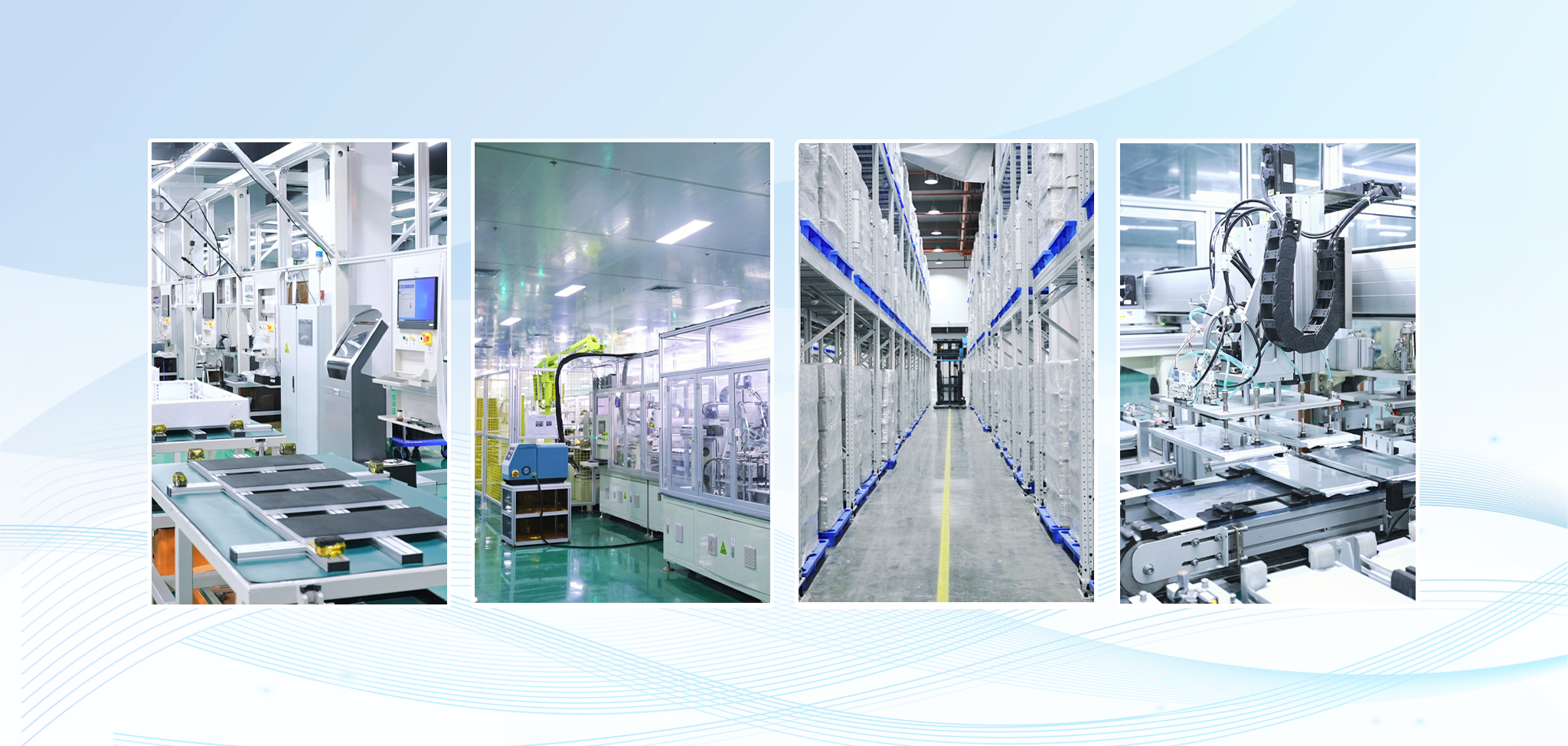
According to the company’s supplied profile, VOLTDEER draws on battery technology and supply-chain experience associated with Pylontech. Its product development and testing capabilities support its focus on battery safety, product reliability, and international market requirements.
The company describes its product portfolio as covering several key applications:
Balcony solar energy storage systems
Portable power stations for outdoor and emergency use
12V batteries for RVs and off-grid applications
Solar panels, cables, connectors, and related accessories
Key Products
The SR5000 AC Pro is positioned as an AC-coupled balcony energy storage solution for existing solar installations. According to the supplied product information, it features a 5.12 kWh battery capacity, a body thickness of approximately 176 mm, and support for parallel expansion. The system is designed for intelligent energy management and low-noise operation.
SR5000
The SR5000 integrates battery storage, a bidirectional inverter, and dual independent MPPT controllers. Its plug-and-play design is intended to simplify installation, while multiple units can be combined to increase storage capacity.
SR2000
The SR2000 is a smaller-capacity option designed for space-constrained installations. Its 2.56 kWh capacity can be expanded through parallel configurations, depending on system requirements.
Beyond the SR series, VOLTDEER offers modular inverter and battery combinations, portable power stations, 12V off-grid batteries, and solar panels in foldable, semi-flexible, and rigid formats.
Together, these products are intended to support applications ranging from balcony solar storage to outdoor backup power and off-grid energy supply.
International Standards and Market Presence
The company states that its products address certification and compliance requirements across multiple markets, including Europe, Japan, the United States, and China. Relevant standards and certifications depend on the specific product and destination market and should be verified against official documentation.
VOLTDEER also reports international sales coverage and overseas warehouse operations in Germany and the Netherlands, supporting distribution to European customers.
Its integrated product approach combines battery storage, power conversion, solar generation, and system accessories within one portfolio.
Key Considerations When Choosing a Balcony Storage System
Buyers should evaluate more than battery capacity and purchase price. The following factors are particularly important:
Battery capacity and output power: Choose a system that matches actual household consumption and the intended loads.
Solar compatibility: Confirm compatibility with existing panels, inverters, and energy meters.
Installation requirements: Check local regulations, electrical safety requirements, and whether professional installation is necessary.
Safety and certification: Verify product-specific certifications and battery safety documentation.
Smart energy management: Consider whether the system supports solar-priority operation, time-of-use tariffs, and remote monitoring.
Expansion capability: Determine whether additional batteries or parallel units can be added later.
Total cost and payback: Estimate realistic savings based on local electricity prices and household usage rather than relying solely on promotional payback claims.
Warranty and service: Review warranty terms, product support, and battery replacement arrangements.
Conclusion: Making Distributed Energy More Accessible
Balcony energy storage is expanding the possibilities of residential solar power by allowing more households to store and use their own electricity. Europe has helped establish the market, while Asia-Pacific, the Americas, and Australia offer opportunities shaped by different energy needs and regulatory environments.
As the industry develops, product safety, system compatibility, intelligent energy management, and dependable customer support will remain central to long-term competitiveness.
For companies such as VOLTDEER, combining battery expertise with integrated storage solutions and international market coverage offers a pathway to serving a wider range of residential and off-grid energy applications.
Ultimately, the value of balcony energy storage lies in helping households use solar energy more effectively, improve energy flexibility, and gain greater control over their electricity consumption.