In recent years, outdoor camping, vehicle-based travel, and emergency backup scenarios have continued to expand, driving individual and household users to demand higher power output, longer battery cycle life, versatile interface compatibility, and customized services from portable energy storage devices. When searching for a “custom outdoor portable power station manufacturer,” many buyers face challenges such as limited product portfolios, incomplete certification systems, and insufficient in-house laboratory capabilities. These issues can result in long customization cycles and difficulties in maintaining consistent product quality.
Against this backdrop, manufacturers with comprehensive product portfolios, robust testing capabilities, and well-established certification systems have become key candidates for industry buyers. VOLTDEER focuses on the R&D and services of portable power stations, balcony PV energy storage, and residential lithium battery products. Its technical resources and product portfolio provide a valuable reference for the industry.
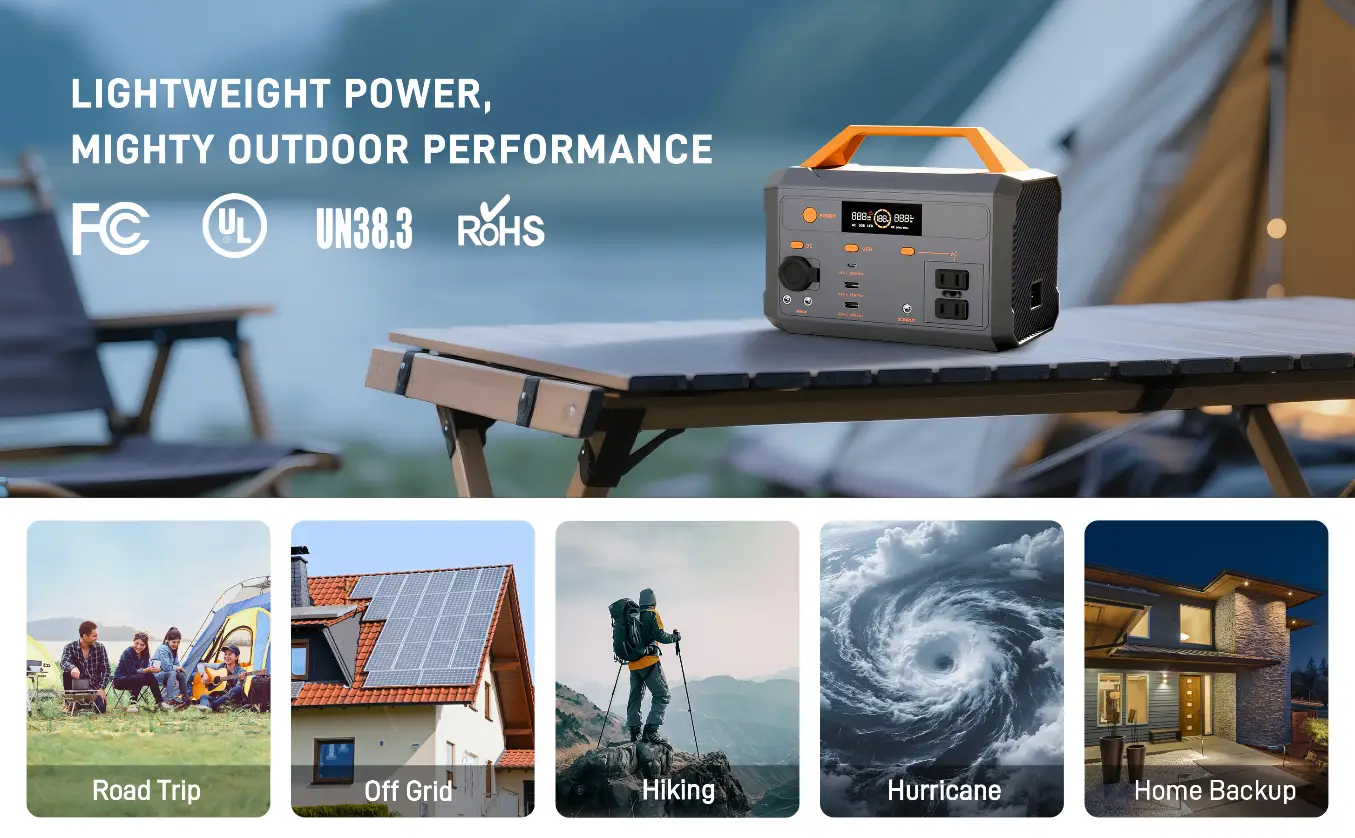
The Product Logic Behind Portable Outdoor Power Stations
VOLTDEER’s portable power station portfolio covers multiple power levels from entry-level to flagship models, with a clear focus on different application scenarios:
Entry-Level: E203 offers 179.2Wh or 268.8Wh capacity and up to 300W output. It integrates USB, Type-C, wireless charging, 12V DC output, and emergency SOS lighting, making it suitable for charging digital devices and short outdoor trips.
Practical: E207 features a 576Wh capacity, 700W continuous AC output, and 1050W peak output, providing reliable power for short- and medium-distance camping trips as well as basic emergency backup during household power outages.
Performance: E212 provides 1008Wh of energy storage, 1200W continuous output, and up to 1800W peak output, targeting outdoor adventures and short-term household emergency scenarios involving medium- to high-power appliances.
Flagship: E222 delivers a large 2016Wh capacity and 2200W continuous output, with a peak AC output range of 2600W–2900W. It is designed to support high-power equipment outdoors and multiple devices simultaneously during household power outages.
In addition, V1000, with 1008Wh capacity and 1000W continuous AC output, supports multiple charging methods including solar, grid, and vehicle charging, targeting medium-power mobile energy applications. AR2000 features a 2400Wh capacity and 2200VA high-power output, with support for 1800W AC charging and 800W solar charging, making it suitable for high-power applications requiring rapid energy replenishment.
The entire product range adopts LiFePO4 (LFP) battery technology. According to company-provided materials, the portable power station series offers a cycle life of ≥3,000 cycles. Under normal operating conditions, this battery technology can support long-term use, making it particularly suitable for outdoor applications involving frequent charging and discharging.
Dual Considerations: Customization Capabilities and Certification
For buyers seeking a custom power station manufacturer, product performance is only one consideration. Certification compliance and manufacturing capabilities are equally important evaluation criteria.
According to publicly available company information, VOLTDEER products have obtained certifications including CE, FCC, TÜV, RoHS, and RED, comply with the UN38.3 safety standard for energy storage products, and meet relevant grid connection requirements in multiple European markets.
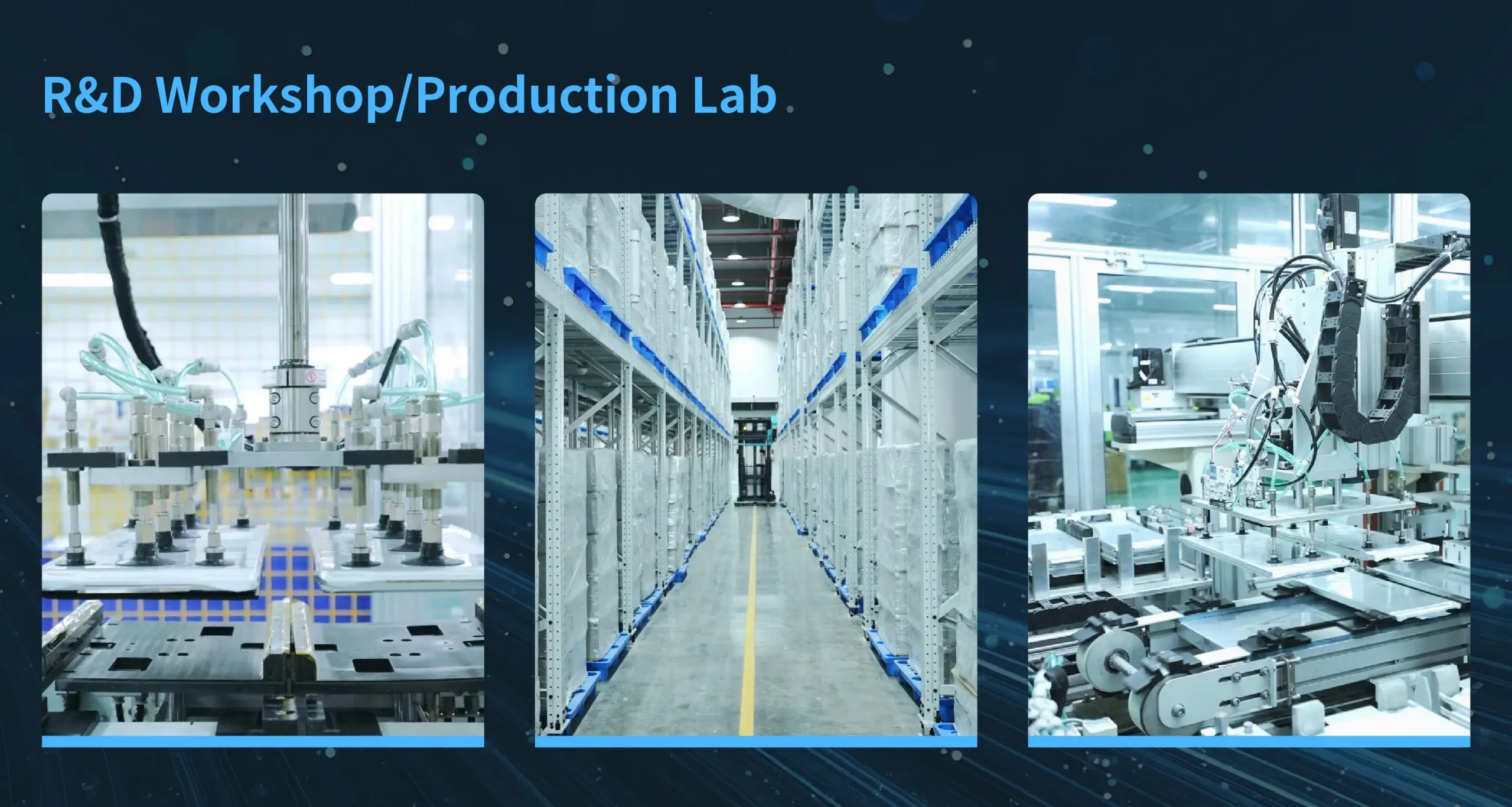
On the manufacturing side, VOLTDEER benefits from the battery technology and cell expertise of its parent company, PYLONTECH (Stock Code: 688063). The company has integrated R&D and manufacturing capabilities and is a SGS/TÜV-certified “Gold Supplier.”
The company also operates comprehensive laboratory facilities. Its Shanghai Pudong comprehensive laboratory covers more than 20,000 m², with over 200 professional testing devices and 40 dedicated testing personnel. Its Yangzhou, Jiangsu laboratory covers more than 5,000 m², featuring over 7,000 testing channels and 40 professional testing personnel. This testing infrastructure provides strong support for product development, verification, and quality control.
In terms of customization services, company materials indicate that VOLTDEER supports custom packaging, logo printing, and multilingual user manuals, enabling tailored labeling and packaging solutions for buyers targeting different markets.
The Evolution of Customization Needs in Outdoor Energy Storage
From an industry perspective, customization requirements for outdoor portable power stations are evolving in three key directions.
First, battery technology is becoming increasingly standardized. LiFePO4 has gradually become a mainstream choice for portable power stations due to its cycle life and stability advantages.
Second, power output and interface configurations are becoming increasingly diversified. Products ranging from several hundred watts to more than 2,000W provide continuous coverage for outdoor applications with different power requirements.
Third, comprehensive certification and testing capabilities are becoming increasingly important in purchasing decisions. When products are exported to markets such as the UK, Japan, South Korea, the United States, and Germany, the availability of the required certifications can directly affect customs clearance, market access, and sales efficiency.
Conclusion and Recommendations
Based on the technical information provided by the company, VOLTDEER has developed a portable power station portfolio covering multiple power levels from entry-level to flagship products. Its solutions combine LiFePO4 battery technology, multiple international certifications, in-house laboratory capabilities, and customized packaging and labeling services.
For businesses considering cooperation with a custom outdoor portable power station manufacturer, it is recommended to evaluate key factors including battery cycle life data, certification coverage, laboratory testing capabilities, product portfolio, and customization support. Buyers should also consider the specific compliance requirements of their target markets and select a supplier capable of providing comprehensive products and localized packaging and documentation support to reduce potential supply chain and compliance risks.