Balcony solar storage systems are rapidly gaining popularity across Europe. With a simple plug-and-play setup, homeowners can turn sunlight into usable electricity, reduce energy bills, and gain backup power when they need it most.
But one question comes up again and again:“Is it safe to have a battery system at home?”Today, we’re not talking about energy yield or payback periods. Instead, let’s focus on what matters most: safety. From battery chemistry to everyday operation, here are the key safety features that define a reliable balcony energy storage system.
The Foundation of Safety: Battery Chemistry
At the heart of every energy storage system is the battery itself. And when it comes to safety, battery chemistry matters.
The two most common lithium battery technologies are NMC (Nickel Manganese Cobalt) and LiFePO₄ (Lithium Iron Phosphate).
| Feature | NMC Battery | LiFePO₄ Battery |
|---|---|---|
| Thermal Stability | Lower | Higher |
| Nail Penetration Test | Risk of thermal runaway | No fire, no explosion |
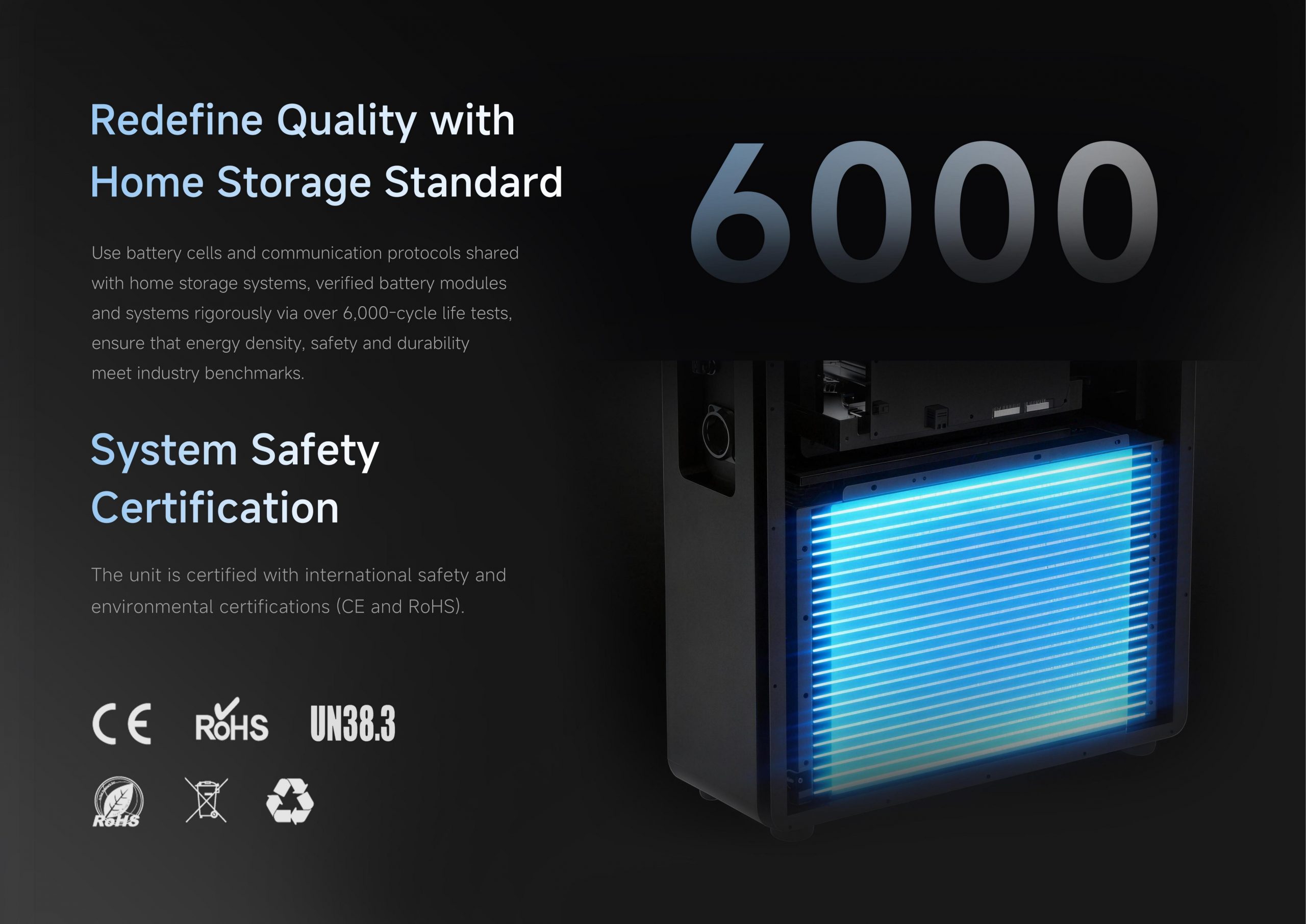
| Cycle Life | 1,500–2,500 cycles | Up to 6,000 cycles |
LiFePO₄ batteries offer superior thermal stability because their chemical structure remains stable even under high temperatures, impact, or pressure.
For this reason, quality balcony storage products—including the VOLTDEER SR5000 Pro—use automotive-grade LiFePO₄ battery cells and undergo rigorous testing, including overcharge, short-circuit, crush, and nail penetration tests.
The Invisible Guardian: Battery Management System (BMS)
Even the safest battery chemistry needs intelligent protection.
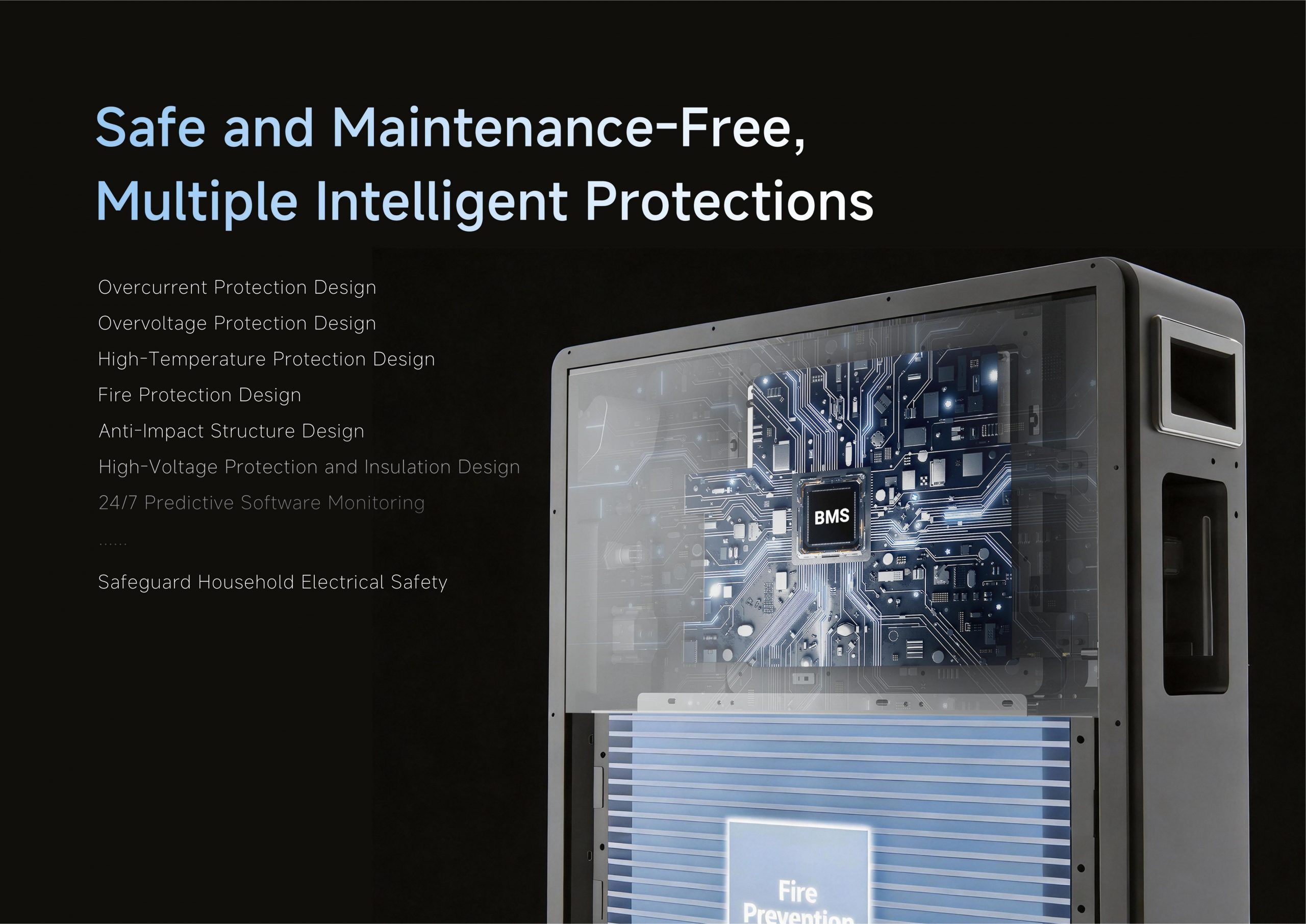
That’s where the Battery Management System (BMS) comes in. Acting as the system’s safety controller, the BMS continuously monitors battery conditions and responds instantly to abnormal situations.
A comprehensive BMS typically provides:
- Overcharge protection
- Over-discharge protection
- Overcurrent protection
- Short-circuit protection
- Overtemperature protection
- Undervoltage protection
- Cell balancing
- Reverse polarity protection
Many advanced systems also incorporate redundant safety mechanisms, ensuring that backup protection remains active even if a primary control component fails.
Electrical Safety: Protection at Every Level
Anti-Feed-In Protection
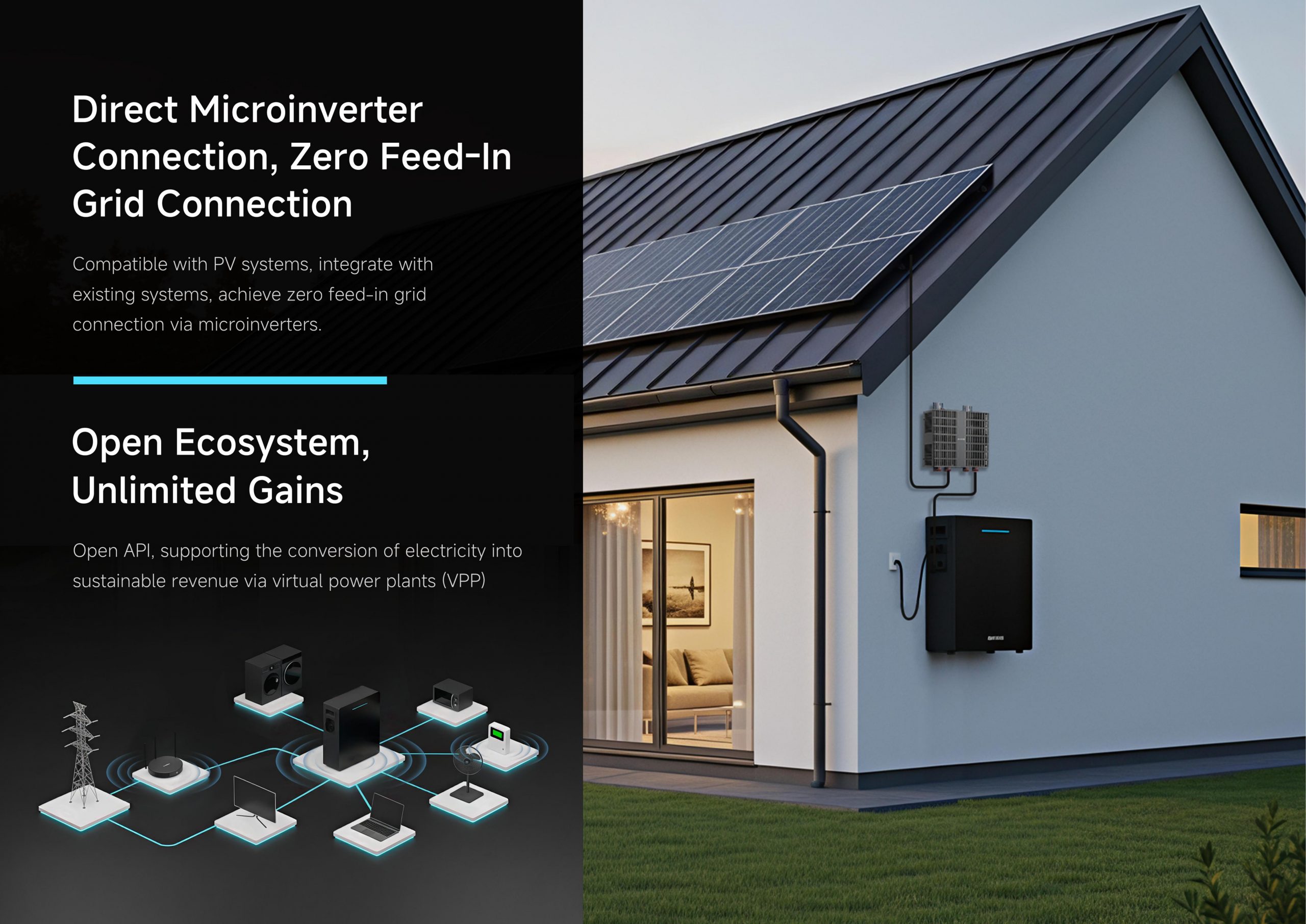
To protect both the household and the utility grid, modern balcony storage systems feature anti-feed-in functionality.
The system continuously monitors energy flow and automatically adjusts output to prevent unwanted electricity export to the grid, helping ensure compliance with local regulations and supporting safe grid operation.
Leakage Protection
In the event of electrical leakage, the system can disconnect power within milliseconds, significantly reducing electrical hazards.
Durable Enclosure and Wiring
A well-designed balcony storage system should be built to withstand outdoor conditions.
Key features include:
- IP65-rated protection against dust and water
- Flame-retardant enclosure materials
- Reliable operation across a wide temperature range
- Robust cabling and connector protection
Integrated Fire Suppression
Some premium systems, such as the VOLTDEER SR5000 Pro, incorporate built-in aerosol fire suppression technology.
If abnormal temperatures or thermal events are detected, the system can automatically release a fire-extinguishing aerosol that interrupts combustion, lowers temperature, and helps prevent reignition.
Plug-and-Play Doesn’t Mean Plug Anywhere
While balcony storage systems are designed for easy installation, proper use remains essential.
For safe operation:
- Always use a properly grounded electrical outlet.
- Avoid sharing power strips with high-power appliances such as air conditioners or electric heaters.
- Keep the unit away from direct, prolonged sunlight whenever possible.
- Leave sufficient clearance around the system to ensure proper ventilation and heat dissipation.
Look for Trusted Certifications
When choosing a balcony energy storage solution, certifications provide important assurance of safety and compliance.
Depending on the market, key certifications may include:
- VDE-AR-N 4105
- IEC 62619
- CE
- RoHS
These certifications indicate that the product has been tested against recognized international safety standards.
Simple Maintenance for Long-Term Safety
Regular inspection helps ensure reliable performance over time.
Recommended practices include:
Routine Checks
- Remove dust and debris from the unit and solar panels.
- Inspect cables and connectors for signs of wear or damage.
- Ensure ventilation openings remain unobstructed.
Periodic Maintenance
- Verify grounding integrity with a qualified electrician.
- Keep firmware and monitoring software up to date.
What to Avoid
- Do not disassemble or modify the system.
- Do not clean energized components with a wet cloth.
- Do not store flammable or explosive materials near the unit.
- Disconnect the system if the property will be unoccupied for an extended period.
Safety Is Not an Option—It’s the Standard
A balcony energy storage system should deliver more than convenience and energy savings. It should provide peace of mind.
By choosing a system built on safe battery technology, intelligent protection, and certified safety standards—and by following basic operating guidelines—you can enjoy clean, reliable solar energy with confidence.
After all, safety isn’t an extra feature. It’s the foundation of every great energy storage system.