As electricity prices continue to rise and household energy consumption increases, balcony energy storage systems have become an increasingly popular solution for urban homeowners. However, many users still have questions about their safety, actual energy performance, and return on investment.
This article explores these key concerns from the perspectives of technology, product performance, and real-world applications.
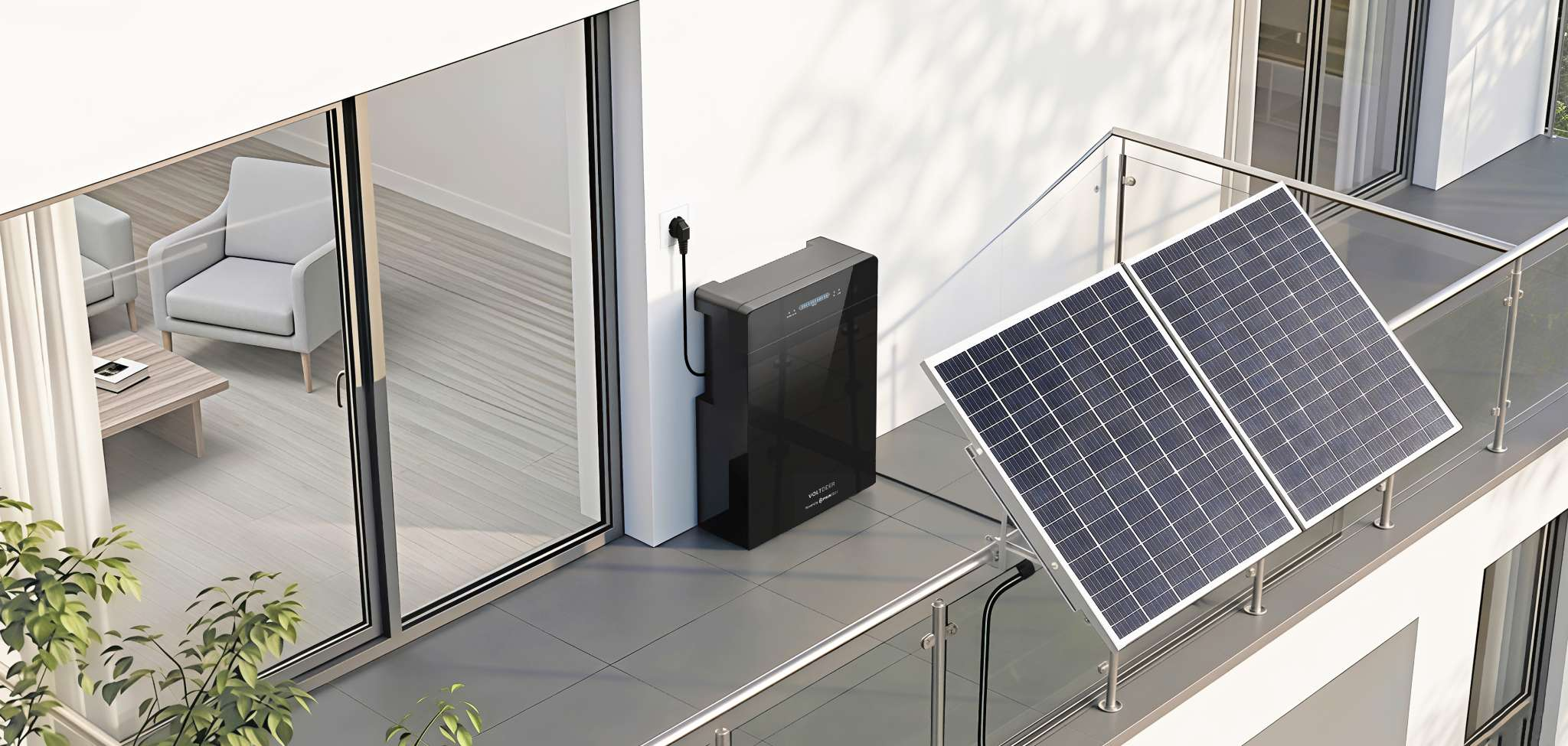
Safety of Balcony Energy Storage Systems Battery Technology and Protection Standards
The safety of a balcony energy storage system depends on three major factors: battery technology, protection design, and international certifications.
Most high-quality residential energy storage systems use Lithium Iron Phosphate (LiFePO₄) batteries due to their excellent thermal stability and low risk of thermal runaway. Under normal operating conditions, LiFePO₄ batteries can deliver over 6,000 charge-discharge cycles with an expected service life of 10–15 years.
At the hardware level, systems with an IP65 protection rating are well protected against dust, rain, and other outdoor environmental conditions, making them suitable for long-term balcony installation.
Some advanced products also support a wide operating temperature range of -20°C to 60°C, ensuring reliable performance in regions with significant seasonal temperature variations.
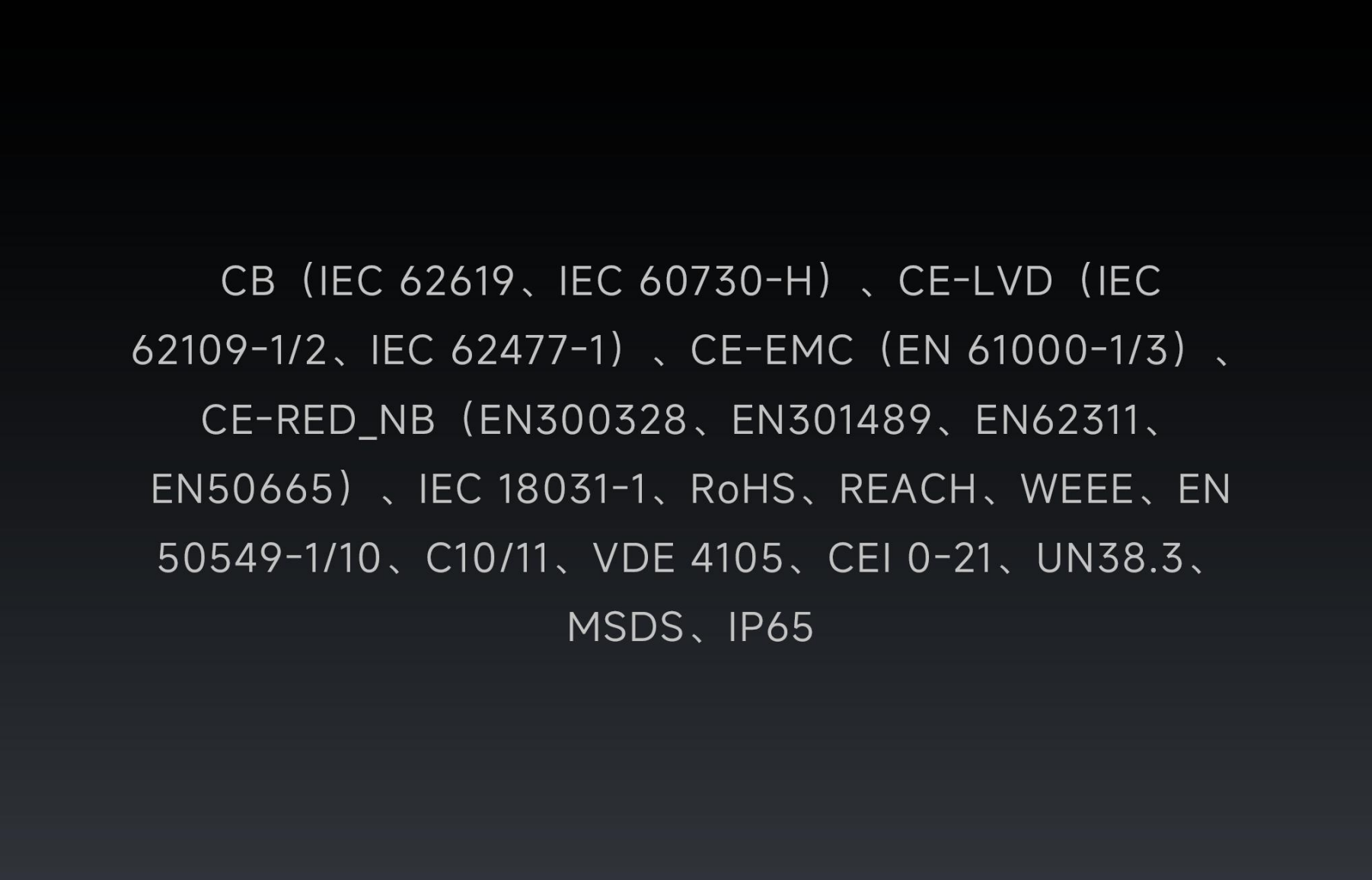
International Safety Certifications
The European market maintains strict safety requirements for residential energy storage products.
Products certified under CE, TÜV, and RoHS standards must comply with comprehensive requirements covering electrical safety, electromagnetic compatibility (EMC), and environmental protection.
Additionally, compliance with UN38.3 transportation standards ensures batteries have successfully passed rigorous safety tests, including short-circuit, overcharge, and mechanical abuse testing.
These internationally recognized certifications provide users with measurable assurance of product safety.
What Determines Energy Generation Efficiency? Solar Conversion and Storage Efficiency
The overall efficiency of a balcony energy storage system depends on three key components:
- Solar panel conversion efficiency
- MPPT (Maximum Power Point Tracking) efficiency
- Inverter conversion efficiency
Modern solar panels using TOPCon or Back Contact (BC) cell technology can achieve conversion efficiencies exceeding 22% under Standard Test Conditions (STC).
A dual MPPT design allows each PV input to operate independently, maximizing power generation even when one panel is partially shaded or facing different directions. Compared with single-MPPT systems, this design can improve energy harvest by 15–20%.
For example, an integrated system supporting dual 1000W PV inputs can typically generate 5–8 kWh of electricity per day under ideal sunlight conditions.
Actual energy production will vary depending on factors such as:
- Geographic location
- Seasonal sunlight
- Balcony orientation
- Roof or building shading
South-facing balconies generally produce 40–60% more electricity annually than north-facing installations, making proper site evaluation essential before installation.
Intelligent Energy Management
Energy storage systems equipped with AI-powered Energy Management Systems (EMS) can automatically optimize charging and discharging schedules based on:
- Dynamic electricity pricing
- Weather forecasts
- Household energy consumption patterns
For example, the system can charge during off-peak electricity pricing periods and discharge during peak pricing hours to reduce electricity costs.
Many systems also support Zero Export Mode, automatically adjusting output power to prevent electricity from feeding back into the grid, making them suitable for regions with strict grid regulations.
Understanding the Payback Period Initial Investment
The total investment typically includes:
- Energy storage system
- Solar panels
- Optional accessories
For an integrated system featuring 5.12 kWh battery capacity and 2.5 kW continuous output, the complete system generally costs between €3,000 and €5,000.
Unlike traditional rooftop PV systems, plug-and-play balcony storage systems usually require no professional installation or grid approval, saving users approximately €800–€1,200 in installation-related costs.
Return on Investment
The payback period depends primarily on:
- Local electricity prices
- Self-consumption ratio
- System sizing
For example, in Berlin, Germany, where residential electricity costs around €0.35/kWh, a system generating 2,000 kWh annually with a 70% self-consumption rate can save approximately €490 per year in electricity costs.
Users utilizing dynamic electricity pricing can further increase savings by 10–15% through off-peak charging and peak-time discharging.
Real-world installations have demonstrated even greater benefits.
In Vienna, Austria, homeowners using AC-coupled storage systems have achieved 80% nighttime electricity coverage, reducing annual electricity expenses by more than €950.
In parts of Southern France, where grid reliability is lower, off-grid operation enables continuous household power supply during outages, preventing food spoilage and protecting sensitive electrical equipment.
Given the 15-year design lifespan of LiFePO₄ batteries, most systems continue generating positive financial returns long after recovering their initial investment.
Key Considerations Before Purchasing Installation Flexibility
Unlike conventional rooftop solar systems that often require structural modifications and property approvals, balcony energy storage systems offer significantly greater installation flexibility.
Wall-mounted units typically measure around 176 mm in depth and weigh approximately 55 kg, placing relatively low load requirements on building walls and making them suitable for older apartment buildings.
For renters, the entire system can be removed and relocated when moving, avoiding sunk installation costs.
Backup Power Capability
Systems with backup functionality can automatically switch from grid-connected mode to off-grid operation within 10 milliseconds during a power outage.
This ensures uninterrupted power supply for essential appliances such as refrigerators, routers, lighting, and communication devices.
This capability is especially valuable in regions with unstable electrical infrastructure and represents an important source of added value.
Expandable Capacity
As household electricity demand grows, modular expansion allows users to increase storage capacity without replacing the existing system.
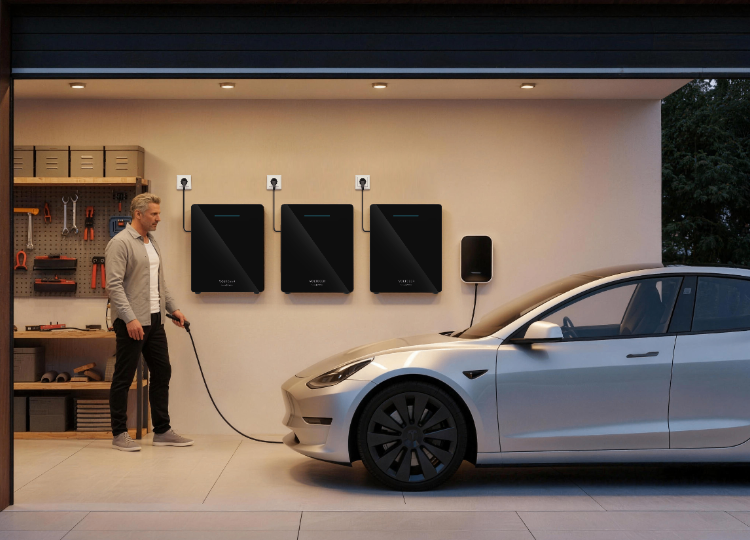
For example, a 5.12 kWh base unit can be expanded to 30.72 kWh, supporting applications such as electric vehicle charging or whole-home backup power.
This modular architecture enables users to invest gradually as their energy needs evolve.
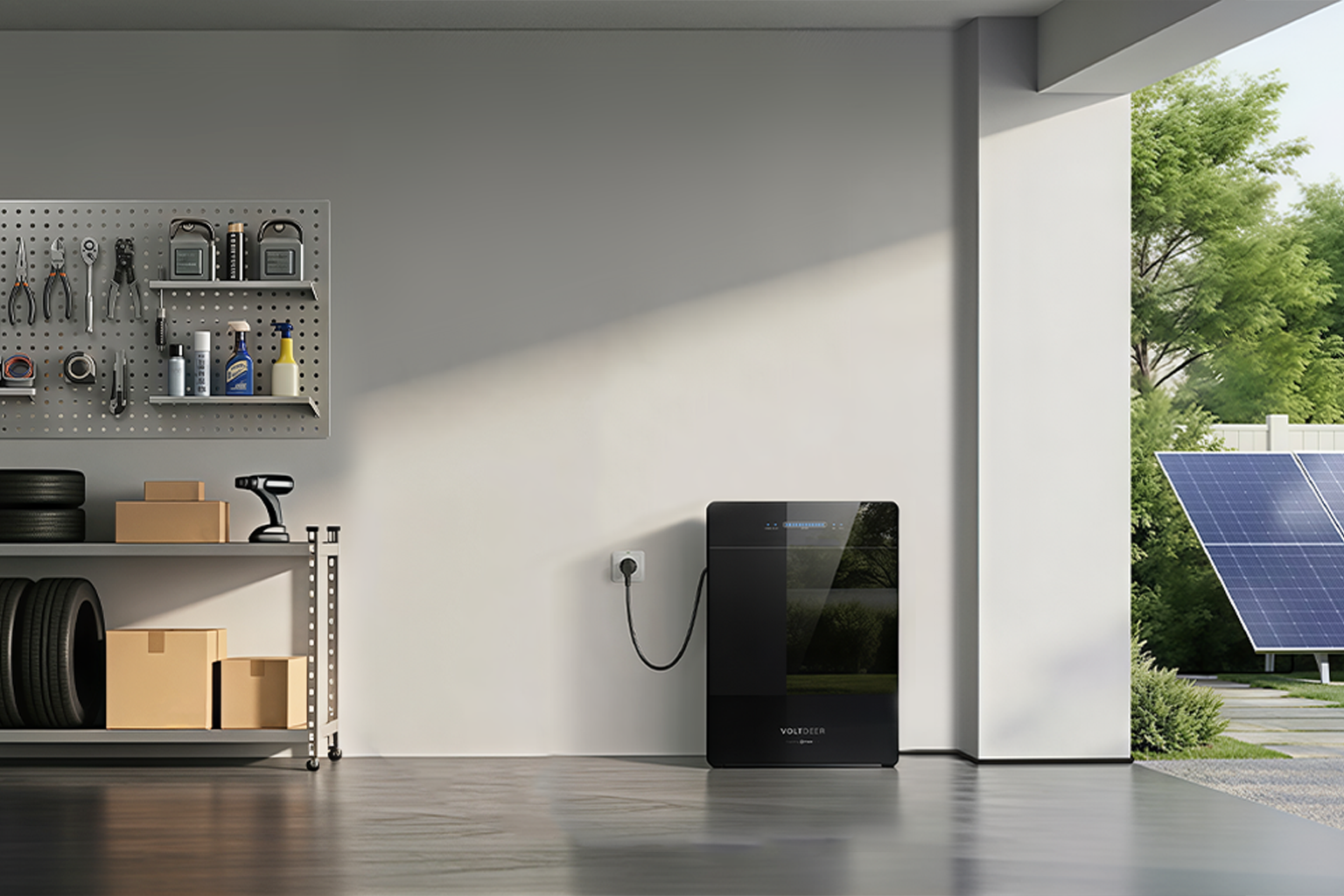
VOLTDEER’s Balcony Energy Storage Solution
VOLTDEER has developed the SR Series Balcony Energy Storage System, specifically designed to address the practical needs of modern urban households.
The SR5000 AC Pro adopts a pure AC-coupled architecture, allowing seamless integration with existing solar installations without modifying original wiring. Installation can be completed in as little as five minutes.
Its passive cooling design keeps operating noise below 25 dB, making it ideal for balconies adjacent to bedrooms or living spaces.
The system integrates triple-mode communication (Wi-Fi + Bluetooth + RS485), enabling precise interaction with smart meters while supporting participation in Virtual Power Plant (VPP) programs.
Built upon years of advanced energy storage expertise, the battery cells deliver over 6,000 life cycles and have obtained internationally recognized certifications including CE, TÜV, and UN38.3.
To better serve European customers, VOLTDEER operates overseas warehouses in Germany and the Netherlands, enabling order processing and shipment within 24–48 hours across Europe.
The dedicated mobile app provides real-time monitoring of:
- Solar generation
- Battery status
- Energy consumption
- Remote charging and discharging settings
allowing users to optimize energy usage anytime and anywhere.
Conclusion
Balcony energy storage systems have become a mature and practical distributed energy solution, offering excellent safety, economic value, and ease of installation.
When selecting a system, users should carefully evaluate factors such as battery technology, protection rating, safety certifications, backup capability, and expandability.
By choosing a configuration that matches local electricity pricing and household energy consumption patterns, homeowners can significantly shorten the payback period while improving energy independence.
As dynamic electricity pricing and Virtual Power Plant (VPP) programs continue to expand worldwide, the long-term value of residential energy storage systems will only continue to grow.